
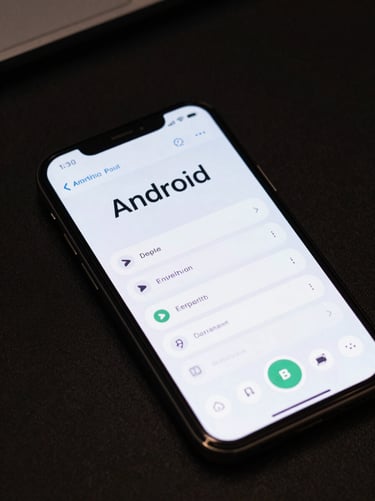
Age-aware Android development, built into every sprint.
Every engagement starts with age-range requirements: who uses this app, at what stage of life, and what that means for UI scaling, accessibility, and device targets. That scoping isn't a phase—it's the foundation.
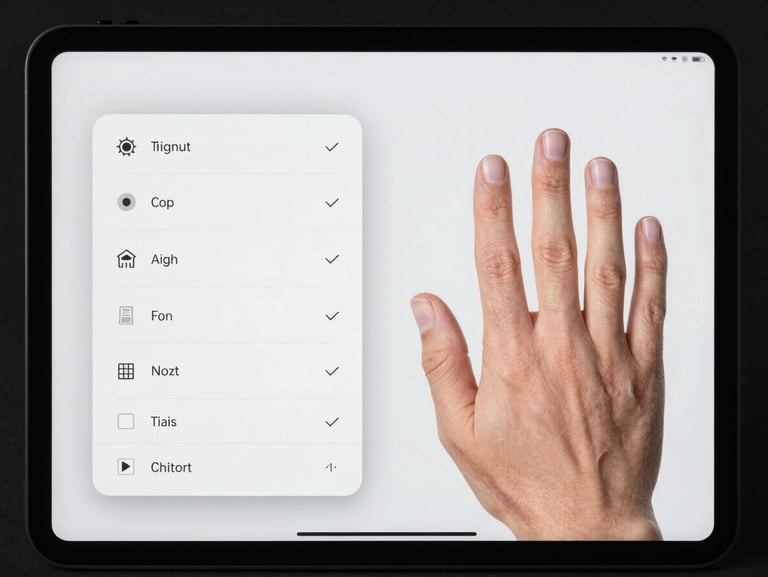


Platform depth, not platform coverage.
Age-scoped UI architecture
Before a single component is built, we define the age range and map it to touch target sizes, type scales, contrast ratios, and interaction patterns. Accessibility audits run in every sprint, not at the end.
The result: one codebase that doesn't fight itself across age groups. No parallel UI branches, no last-minute font bumps before launch.
Android-first architecture
We work exclusively on Android. That constraint drives cleaner decisions: Jetpack Compose, structured concurrency, and device fragmentation testing are standard practice, not optional add-ons.
Fewer rewrites. Fewer edge-case crashes. Architecture that holds when your user base grows from 500 to 500,000.
Actual users from the target age range participate in design reviews and prototype sessions — not as QA at the end, but as a recurring design input across the engagement.
Users in the loop from sprint one.
Age-range definition
Iterative Android delivery
Real-user feedback loops
We map your user's age span to concrete UI requirements: type scale, contrast targets, touch area minimums, and device matrix. This becomes the project's technical contract.
Two-week sprints with working Android builds. Every sprint ships testable software — no design-only phases, no deferred integration, no 'we'll fix it in the next cycle.'
Target-age users test each build. Observations feed directly into the next sprint backlog. Accessibility regressions are caught in days, not discovered post-launch.
Bring us your age-span problem.
Tell us who your youngest and oldest users are. We'll scope the engagement from there — no generic proposals, no pre-packaged tiers.